Skin Care Advice
Dry Skin vs Dehydrated Skin: What's the Difference and What Helps?
Dry and dehydrated skin are often confused. Learn how they differ, why they can occur together and which everyday habits help.
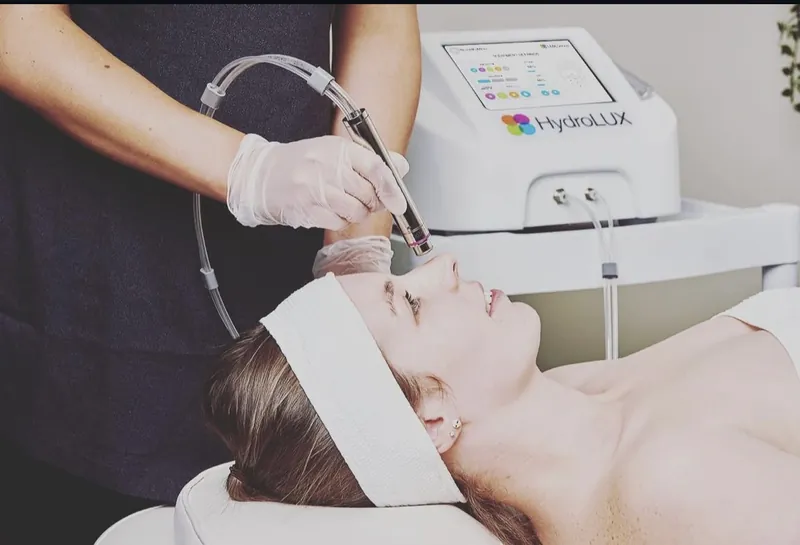
“Dry” and “dehydrated” are often used to mean the same thing, but they describe different characteristics. Dry skin generally refers to skin that lacks lipids, the natural oils and fats that help keep the skin barrier intact. Dehydrated skin refers to a lack of water in the outer layers of the skin.
The two can occur together, and both can make skin feel tight and uncomfortable. Understanding the difference can help you choose a routine that suits your skin, although persistent or severe symptoms should be assessed by a professional.
In this article
- What Is the Difference Between Dry and Dehydrated Skin?
- What Are the Signs of Dry Skin?
- What Are the Signs of Dehydrated Skin?
- Can Oily Skin Also Be Dehydrated?
- What Causes Skin Dehydration?
- How Can You Improve Dry or Dehydrated Skin?
- Can Professional Facials Help With Skin Hydration?
- Hydrating Facials at Boost Skin Clinic
- FAQs
What Is the Difference Between Dry and Dehydrated Skin?
| Dry skin | Dehydrated skin | |
|---|---|---|
| Main characteristic | Reduced lipids in the outer skin layer. | Reduced water content in the outer skin layer. |
| Common signs | Roughness, flaking, scaling, tightness and sometimes itch. | Tightness, a dull or less supple appearance and fine dry-looking lines that may come and go. |
| Possible contributing factors | Age, genetics, low humidity, frequent hot bathing, some medical conditions and medicines. | Weather, air conditioning or heating, harsh cleansing, over-exfoliation and barrier disruption. |
| General skincare considerations | Gentle cleansing and richer moisturisers that help replace lipids and reduce water loss. | Gentle cleansing, humectant ingredients and a moisturiser that helps hold water in the skin. |
What Are the Signs of Dry Skin?
DermNet describes dry skin as having an overall reduction in lipids in the outermost layer, which reduces the skin’s ability to hold water. Common features include:
- Roughness
- The skin may feel uneven or coarse to touch.
- Flaking or scaling
- Fine flakes may appear, particularly on the cheeks or around the nose.
- Tightness
- Skin can feel tight, especially after cleansing.
- Barrier sensitivity
- Products may sting more easily when the barrier is compromised.
These signs overlap with other conditions, including dermatitis and eczema. They are a guide, not a diagnosis.
What Are the Signs of Dehydrated Skin?
Dehydrated skin often feels tight and may look dull or less plump. Some people notice fine, dry-looking lines that become less obvious once the skin is moisturised. Dehydration can change from day to day with the weather, indoor air and your routine.
Popular home tests, such as pinching the skin, are not reliable ways to assess skin hydration. Visual signs alone also cannot reliably separate dehydration from dryness or other conditions, which is why a professional skin assessment can be useful.
Can Oily Skin Also Be Dehydrated?
Yes. Oil production and water content are not the same thing. Oily skin produces more sebum, but its outer layer can still lack water, often after harsh cleansing, drying acne products or over-exfoliation.
Oily, dehydrated skin may feel tight and look shiny at the same time. Stripping the skin further in an effort to control oil can make it feel more uncomfortable. A gentle cleanser and a lightweight moisturiser are often a better starting point.
What Causes Skin Dehydration?
- Environment
- Low humidity, cold wind, heating and air conditioning can all draw water from the skin.
- Hot water and long showers
- The American Academy of Dermatology recommends short showers in warm, not hot, water for dry skin.
- Harsh cleansing
- Strong soaps and foaming cleansers can strip lipids that help hold water in the skin.
- Over-exfoliation
- Frequent scrubs, acids or active treatments can disrupt the skin barrier.
- Sun exposure
- Unprotected sun exposure can damage the skin and contribute to dryness.
- Medicines and health conditions
- DermNet lists factors such as some oral retinoids, diuretics and conditions including hypothyroidism among causes of dry skin.
How Can You Improve Dry or Dehydrated Skin?
Gentle cleansing
Use lukewarm water and a gentle, non-foaming cleanser or soap substitute. Pat your skin dry rather than rubbing.
Appropriate moisturising
The American Academy of Dermatology recommends applying a fragrance-free moisturiser straight after washing, while the skin is still slightly damp, and reapplying when the skin feels dry. Creams and ointments are generally more protective than light lotions for very dry skin.
Humectants and barrier-supporting ingredients
Humectants such as glycerin, hyaluronic acid and urea help attract water into the skin. Barrier-supporting ingredients such as ceramides and occlusives help reduce water loss. DermNet notes that emollients often work best on damp skin and when they contain humectants.
Avoid over-exfoliation
If your skin feels tight or stings, reduce scrubs and exfoliating acids and give the barrier time to recover.
Sun protection and consistency
Use a broad-spectrum sunscreen daily and keep your routine consistent. A humidifier may help in very dry indoor environments.
Can Professional Facials Help With Skin Hydration?
A suitable hydrating facial can leave the skin feeling more comfortable and looking fresher, and it gives a skin therapist the chance to assess your skin and suggest home care. The effect on hydration is usually temporary, so a facial works best alongside a consistent daily routine.
Treatment suitability depends on your skin. Strongly exfoliating treatments may not suit skin that is already dry or irritated. If you are wondering how often to book, see our article on how often you should get a facial.
Hydrating Facials at Boost Skin Clinic
Boost Skin Clinic in Naremburn, Sydney, offers several hydration-focused facials:
- Dermal Infusion PRO Facial
- An advanced skin-boosting treatment designed to hydrate, plump and revitalise the skin. View the Dermal Infusion PRO Facial.
- AquaLux Facial
- A deep-cleanse facial that lifts impurities and replenishes hydration. View the AquaLux Facial.
- Hydrolux Facial
- A hydra-infusion facial that cleanses, exfoliates and saturates the skin with serums. View the Hydrolux Facial.
Which treatment suits your skin is discussed individually during your appointment.
Dry Skin vs Dehydrated Skin FAQs
How can you tell if your skin is dry or dehydrated?
Dry skin tends to be consistently rough or flaky and lacks oil, while dehydrated skin often feels tight and looks dull, and can change with the weather or your routine. The two often overlap, and visual signs are not definitive. A professional skin assessment can help.
Can you have oily and dehydrated skin?
Yes. Oily skin produces more sebum but can still lack water in its outer layer. This often follows harsh cleansing or over-exfoliation. Gentle cleansing and a lightweight moisturiser with humectant ingredients are usually more helpful than products that strip the skin.
Does drinking more water fix dehydrated skin?
Staying well hydrated supports your overall health, but drinking extra water on its own is unlikely to correct dehydrated skin. Skin hydration is strongly influenced by the skin barrier, your environment and your skincare routine.
What ingredients help support skin hydration?
Humectants such as glycerin, hyaluronic acid and urea help draw water into the skin. Ceramides and other barrier-supporting ingredients, along with occlusive ingredients, help reduce water loss. Fragrance-free formulas are often better tolerated by dry or sensitive skin.
Can professional facials help dehydrated skin?
A suitable hydrating facial can improve comfort and how the skin looks, but the effect is usually temporary. It works best alongside gentle daily cleansing, moisturising and sun protection. Your skin therapist can advise whether a particular facial suits your skin.
When should you seek professional advice for persistent dryness?
See a GP or dermatologist if dryness is severe, itchy, cracked, painful or spreading, or if it does not improve with gentle skincare. Persistent dryness can be linked to skin conditions such as eczema, or to medicines or other health conditions that need assessment.
Looking After Dry or Dehydrated Skin?
Arrange a consultation with Naz to discuss your skin and whether a hydrating facial is suitable for you.
References
- DermNet. Dry skin.
- American Academy of Dermatology. Dermatologists’ top tips for relieving dry skin.
- American Academy of Dermatology. Face washing 101.
This article provides general information only and is not a substitute for individual advice from your treating practitioner.
Related Articles
Skin Care Advice
How Often Should You Get a Facial? A Guide for Different Skin Types
There is no single right interval for everyone. Here is how skin type, the kind of facial and your goals can shape how often you book.