Treatment guide · Sydney & Naremburn
What Is the Best Treatment for Acne Scars? A Complete Guide to Your Options
The most suitable acne scar treatment depends on the type of scarring, your skin characteristics and individual goals. Understanding those differences is the first step towards choosing an appropriate treatment.
Prepared · General educational information, not personalised medical advice.
What Is the Best Treatment for Acne Scars?
The best treatment is the one matched to the scar, not simply the most intensive procedure. Acne can leave indentations, raised tissue or colour changes, and these concerns respond differently. Many people have a mixture of scars, so one treatment may not address every area.
Professional microneedling may be considered for some depressed scars. Selected peels may help surface texture or pigmentation, but deeper scars may need laser, subcision or other dermatologist-led procedures. A consultation should establish what is being treated, what can reasonably improve and whether specialist assessment is needed. [1] [4]
Understanding the Different Types of Acne Scars
Ice pick scars
These are narrow, deep indentations that can resemble small punctures. Because they extend below the surface, ordinary exfoliating treatments are unlikely to address their full depth.
Boxcar scars
Boxcar scars are round or oval depressions with more defined edges. Their depth varies. A shallow boxcar scar may need a different approach from a deeper one.
Rolling scars
Rolling scars create broad depressions and an uneven, wave-like surface. Fibrous bands may tether the skin underneath, which is why surface treatment alone may not be enough.
Raised or hypertrophic scars
These sit above the surrounding skin because excess scar tissue forms. Keloid scars can extend beyond the original affected area. Raised scars require a different assessment from depressed scars.
Post-inflammatory hyperpigmentation
Flat brown or darker marks after acne are pigment changes, not necessarily true scars. Red marks can also remain after inflammation. Colour changes may improve over time, whereas indentations or raised tissue represent structural changes. Identifying the difference helps avoid choosing a scar procedure for a pigmentation concern. [1]
Comparing Acne Scar Treatments
Skin needling / microneedling
Microneedling uses fine needles to create controlled micro-injury, stimulating a healing response and collagen remodelling. It may improve selected depressed scars and overall texture, but is not suitable for every scar pattern. Deep ice pick scars and tethered scars can need other approaches. Temporary redness, sensitivity or swelling may occur, and multiple sessions may be recommended as improvement develops gradually. [2]
Chemical peels
Professional peels use selected exfoliating agents to resurface the skin. Superficial peels may help post-acne pigmentation and mild surface roughness. They should not be presented as reliably removing deep acne scars. Peel strength, formulation and skin tolerance affect both suitability and recovery. Specialist focal chemical techniques used for particular scars are different from an ordinary facial peel. [4]
Other professional treatments
Fractional laser treats microscopic areas of skin to support resurfacing and remodelling. Subcision aims to release fibrous bands beneath tethered scars. A dermatologist may also consider focal scar procedures, small surgical techniques or treatment specifically for raised scars. These options have distinct risks and are not interchangeable. Boost Skin Clinic lists skin needling and professional peels; the specialist procedures here are educational comparisons, not services advertised by the clinic. [3] [4]
| Treatment | Potential benefits | Limitations | Recovery considerations | Suitability factors |
|---|---|---|---|---|
| Skin needling / microneedling | May improve selected depressed scars and texture through collagen remodelling. | Not a reliable stand-alone solution for deep narrow, tethered or raised scars. | Redness, sensitivity or temporary swelling; aftercare is important. | Scar depth, active acne, healing history and skin response. |
| Professional chemical peels | May help superficial texture and post-acne pigmentation. | Ordinary peels do not reliably correct deep structural scars. | Dryness, irritation or peeling; intensity varies with the peel. | Peel type and strength, sensitivity and pigmentation risk. |
| Fractional laser | Resurfacing and collagen remodelling for selected acne scars. | Device choice matters; pigment changes and other complications can occur. | Redness, swelling and possible crusting; recovery varies by device and intensity. | Skin tone, scar pattern and assessment by an appropriately qualified clinician. |
| Subcision / scar-specific procedures | May release tethered scars or address particular deep scars. | Not suitable for every scar; often part of a combined specialist plan. | Bruising, swelling and wound care may be involved. | Scar anatomy, medical history and dermatologist assessment. |
Acne scar treatment options at a glance
Skin needling / microneedling
- Potential benefits
- May improve selected depressed scars and texture through collagen remodelling.
- Limitations
- Not a reliable stand-alone solution for deep narrow, tethered or raised scars.
- Recovery considerations
- Redness, sensitivity or temporary swelling; aftercare is important.
- Suitability factors
- Scar depth, active acne, healing history and skin response.
Professional chemical peels
- Potential benefits
- May help superficial texture and post-acne pigmentation.
- Limitations
- Ordinary peels do not reliably correct deep structural scars.
- Recovery considerations
- Dryness, irritation or peeling; intensity varies with the peel.
- Suitability factors
- Peel type and strength, sensitivity and pigmentation risk.
Fractional laser
- Potential benefits
- Resurfacing and collagen remodelling for selected acne scars.
- Limitations
- Device choice matters; pigment changes and other complications can occur.
- Recovery considerations
- Redness, swelling and possible crusting; recovery varies by device and intensity.
- Suitability factors
- Skin tone, scar pattern and assessment by an appropriately qualified clinician.
Subcision / scar-specific procedures
- Potential benefits
- May release tethered scars or address particular deep scars.
- Limitations
- Not suitable for every scar; often part of a combined specialist plan.
- Recovery considerations
- Bruising, swelling and wound care may be involved.
- Suitability factors
- Scar anatomy, medical history and dermatologist assessment.
Skin Needling vs Chemical Peels for Acne Scars
If the main concern is selected depressed scars, needling may be more relevant than a superficial peel because it targets collagen remodelling. If flat post-acne marks or superficial roughness dominate, an appropriate peel may be considered. Neither should be chosen without assessing the skin and scar pattern.
A clinician may recommend different treatments for different concerns, or a staged combination rather than performing everything together. Skin tolerance, pigmentation risk and recovery influence that decision. Deep or tethered scars may benefit from specialist treatment instead of repeated routine facials. [4]
How Many Sessions Are Needed?
Treatment numbers vary with scar type, severity, chosen procedure and individual healing. Collagen remodelling takes time, and a plan may involve repeated sessions with reassessment between treatments. A fixed package cannot guarantee a particular degree of improvement.
Ask how progress will be assessed, how appointments are spaced and when the plan would be reconsidered. Consistent photographs taken under similar conditions can help a practitioner assess change, rather than relying on day-to-day impressions. [4]
Can Acne Scars Be Permanently Removed?
Acne scar treatment generally aims to reduce visibility rather than erase scars completely. Softer edges, shallower depressions or more even texture can be meaningful improvements, but some structural change may remain. Results differ between people and procedures.
Pigmentation can fade without the same structural treatment, which is another reason to distinguish colour from scarring. Ongoing acne can cause new scars, so managing breakouts is part of a broader skin plan—not a guarantee that existing scars will disappear. [1] [4]
What Should You Consider Before Booking Acne Scar Treatment?
- Active acne: discuss current breakouts and whether acne management should be prioritised before a scar procedure.
- Skin sensitivity: disclose irritation, eczema or reactions to previous treatments and skincare.
- Skin tone and pigmentation risk: some procedures can trigger pigment changes. Your history and skin characteristics should influence treatment choice.
- Medical history: share medications, recent acne treatments, pregnancy, infections and any history of abnormal scarring or poor healing. Your practitioner should screen for procedure-specific contraindications.
- Expected recovery: clarify aftercare, sun protection and restrictions for the actual procedure, rather than assuming every treatment has minimal downtime.
- Individual suitability: ask about realistic benefits, risks, alternatives and whether dermatologist referral is appropriate.
Frequently Asked Questions
What is the most effective treatment for acne scars?
The most effective acne scar treatment depends on the scar type and your skin. Microneedling may help some depressed scars; professional peels may be considered for surface texture or pigmentation. Deep ice pick scars, tethered rolling scars and raised scars often need different specialist approaches. A dermatologist can assess complex scarring and discuss treatments such as laser, subcision or scar-specific procedures. There is no single option that works best for every person.
Does skin needling really work for acne scars?
Professional skin needling can improve the appearance of some acne scars by stimulating collagen remodelling through controlled micro-injury. It is generally considered for selected depressed scars and uneven texture, rather than as a solution for every scar. Deep narrow scars or scars held down by fibrous bands may require other procedures. Improvement varies, develops gradually and may require repeated treatment. Assessment is important before deciding whether needling is appropriate for your skin.
Is microneedling better than chemical peels?
Microneedling and chemical peels address different concerns, so neither is universally better. Microneedling may be considered for selected depressed acne scars and textural change. Superficial professional peels may be more relevant when post-acne pigmentation or surface roughness is the main concern. Ordinary peels do not reliably correct deep scars. Scar type, active acne, skin sensitivity and pigmentation risk should guide the choice, and a clinician may recommend a different or combined approach.
Can deep acne scars be treated?
Deep acne scars can often be treated to reduce their visibility, but they usually need a scar-specific assessment. A dermatologist may consider subcision for tethered rolling scars, focal techniques or small surgical procedures for certain deep scars, or laser resurfacing as part of a plan. These procedures are not interchangeable, and more than one approach may be needed. Boost Skin Clinic does not list these specialist procedures in its current treatment menu.
How many skin needling sessions might I need?
There is no reliable session count that applies to everyone seeking skin needling for acne scars. The number depends on scar depth and pattern, your skin response, treatment settings and what improvement is realistically achievable. Multiple sessions may be recommended, with time between appointments for recovery and assessment. Ask your treating practitioner how progress will be reviewed and whether referral would be more appropriate if your scars are unlikely to respond to needling alone.
Can acne scars disappear completely?
True acne scars are structural changes in the skin and may remain visible even after successful treatment. Treatment usually aims to soften edges, improve texture or reduce the contrast between a scar and the surrounding skin, not guarantee complete removal. Flat brown marks after acne are different: they may fade over time, although persistent pigmentation can need treatment. A professional assessment helps distinguish pigment changes from scars before you invest in a procedure.
How much downtime is involved?
Downtime varies with the treatment, its intensity and your skin’s response. Needling can cause redness, sensitivity and temporary swelling; peels can cause dryness, irritation or visible peeling. Laser and invasive scar procedures may involve more substantial recovery. No universal recovery period is appropriate for all these treatments. Before booking, ask about expected visible changes, aftercare, sun exposure, makeup and when you can resume your usual routine for the specific procedure proposed.
Where can I get acne scar treatments in Sydney?
Boost Skin Clinic in Naremburn, Sydney offers Advanced Skin Needling and O Cosmedics Peels, with a complimentary consultation to discuss skin concerns and suitability. These services are not appropriate for every acne scar. If your scars are deep, raised, complex or require procedures outside the clinic’s menu, seek an assessment from a dermatologist. Start by clarifying whether your concern is true scarring, pigmentation or ongoing acne, rather than choosing a procedure by name alone.
Acne Scar Treatment at Boost Skin Clinic
Boost Skin Clinic is a boutique skin treatment provider in Naremburn, Sydney. Its current menu includes Advanced Skin Needling and O Cosmedics Peels. These may be relevant to selected scarring, texture or pigmentation concerns following assessment; they are not substitutes for every specialist scar procedure.
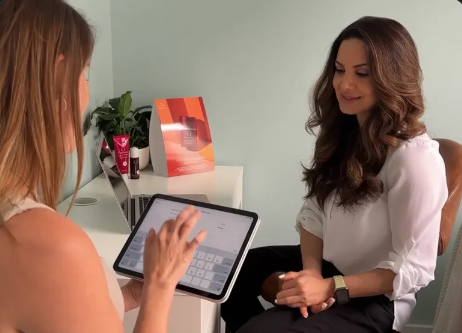
A complimentary consultation with Naz provides an opportunity to discuss your skin history, concerns and goals, and whether an available treatment is appropriate. If you need an option outside the clinic’s scope, a dermatologist can assess specialist alternatives.
References & further reading
- DermNet — Acne scarring
- DermNet — Skin needling
- DermNet — Fractional laser treatment
- American Academy of Dermatology — Acne scars: Consultation and treatment
This guide provides general information to support an informed conversation. It does not diagnose a skin condition or replace advice from a qualified health professional.