Aftercare & Recovery
Skin Needling Aftercare: What to Expect and How to Care for Your Skin
What is normal after skin needling, how to look after your skin while it recovers, what to avoid, and when to seek advice.
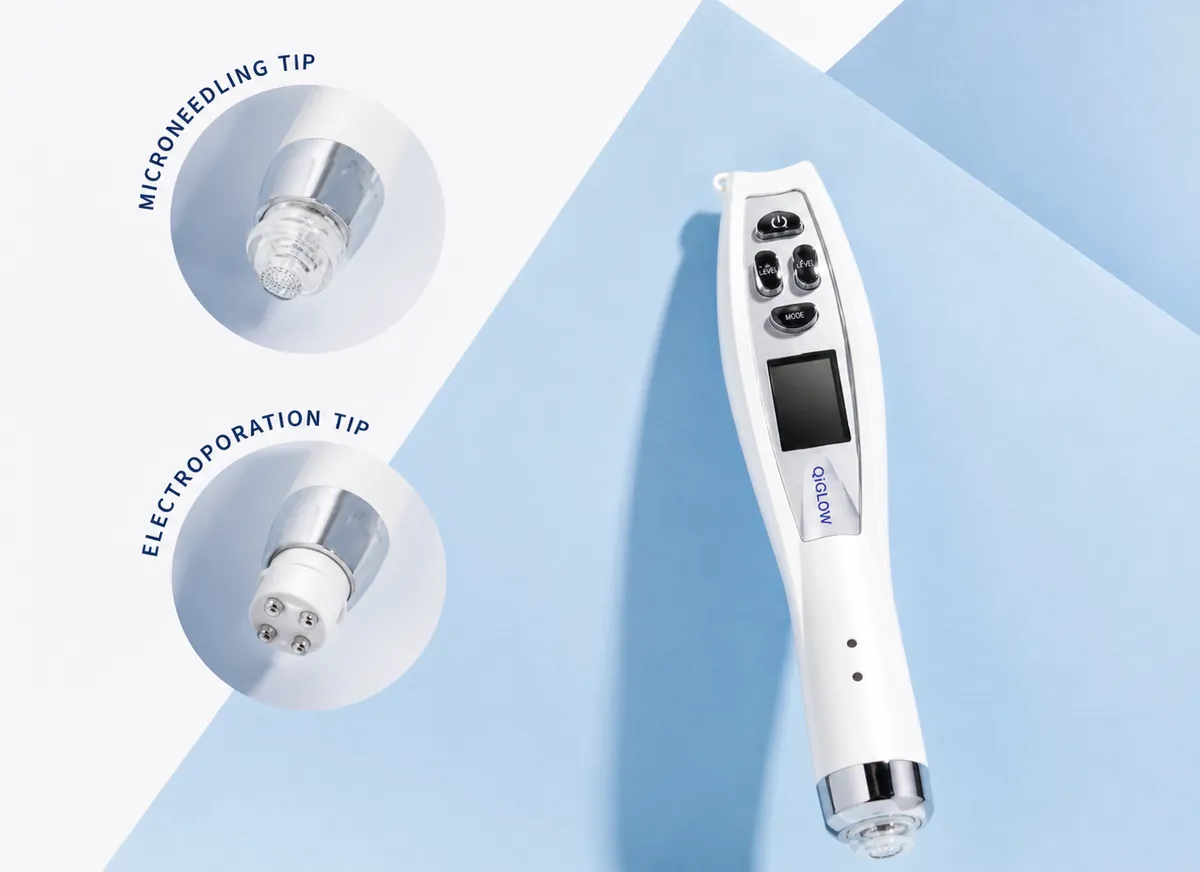
Skin needling, also known as microneedling, uses fine needles to create controlled micro-injuries in the skin. These tiny channels prompt the skin’s natural healing response, which is why the days after treatment matter. Thoughtful aftercare helps keep the skin comfortable, protected and clean while it recovers.
Redness, sensitivity and dryness are common after treatment. How long they last depends on the treatment, the depth of needling and how your own skin responds. This article explains what is generally expected, but your treating practitioner’s specific aftercare instructions should always come first.
In this article
- What Happens to Your Skin After Skin Needling?
- Skin Needling Recovery: What to Expect
- How to Care for Your Skin After Microneedling
- What Should You Avoid After Skin Needling?
- When Can You Return to Your Normal Skincare Routine?
- What Is Normal After Skin Needling, and When Should You Seek Advice?
- Skin Needling at Boost Skin Clinic
- FAQs
What Happens to Your Skin After Skin Needling?
Immediately after needling, the skin begins to repair the micro-channels created during treatment. While this happens, it is common to notice some of the following:
- Temporary redness
- Treated skin often looks flushed or pink, similar to mild sunburn. On darker skin tones, this may appear as darker shading rather than redness.
- Warmth and sensitivity
- The skin may feel warm, tender or slightly tight to touch.
- Mild swelling
- Some puffiness can occur, particularly in more delicate areas.
- Dryness or tightness
- As the skin recovers, it can feel drier than usual.
- Possible flaking
- Light scaling or flaking may appear during recovery.
DermNet notes that dryness, scaling, redness and swelling may last for several days or longer, depending on how deeply the needles penetrate. More intensive treatments may therefore need a longer recovery and additional care.
Skin Needling Recovery: What to Expect
The stages below are a general guide, not guaranteed milestones. Everyone’s skin recovers at its own pace.
Immediately after treatment
Redness, warmth and sensitivity are common. Your practitioner may apply or recommend a soothing product. Follow their immediate post-treatment instructions closely.
The first 24 hours
The micro-channels are still closing, so skincare and makeup restrictions often apply during this time. The American Academy of Dermatology advises waiting 24 hours before applying makeup.
Days 2–3
Early redness and sensitivity often begin to settle, although dryness or tightness may remain.
Days 4–7
Visible recovery usually continues. Some people notice residual dryness or light flaking. Reactions commonly ease within a few days to a week, though deeper treatments can take longer.
The following weeks
Visible recovery and longer-term change happen on different timeframes. New collagen forms gradually, so changes in the skin can appear over weeks to months rather than days.
How to Care for Your Skin After Microneedling
Gentle cleansing
Your practitioner will tell you when and how to cleanse after treatment. When cleansing is permitted, keep it gentle: lukewarm water, clean hands and a light touch, patting the skin dry rather than rubbing.
Hydration and moisturising
Recently needled skin can feel dry and tight. Using a practitioner-approved moisturiser or recovery product can help support comfort and the skin barrier. Avoid introducing new products while the skin is sensitive unless they have been recommended for you.
Sun protection
Treated skin is more vulnerable to sun exposure. Avoid direct sun where possible, wear a hat and seek shade, and apply sunscreen when your practitioner advises that it is suitable for your skin.
Keeping the skin clean
Avoid unnecessary touching, rubbing or picking at the treated area. Clean pillowcases, phone screens and makeup tools can also help reduce contact with bacteria while the skin recovers.
Following professional aftercare instructions
Aftercare can differ depending on the device used, the depth of treatment and your individual skin. That is why your practitioner may recommend different products or timeframes from those you read online. If general advice and your practitioner’s instructions differ, follow your practitioner.
What Should You Avoid After Skin Needling?
These precautions are commonly advised while the skin recovers. How long each applies varies, so check timeframes with your treating practitioner.
- Retinol and retinoids
- These can increase irritation and sensitivity on freshly treated skin.
- Exfoliating acids and scrubs
- AHAs, BHAs and physical scrubs can further disrupt a barrier that is already healing.
- Strong or irritating products
- Fragrance, alcohol-heavy toners and potent actives may sting or inflame sensitive skin.
- Excessive sun exposure
- Recovering skin is more vulnerable to sun damage and unwanted pigment change.
- Intense exercise and heavy sweating
- Heat and sweat can aggravate redness and irritate open micro-channels.
- Saunas, steam rooms and excessive heat
- Heat can increase redness, swelling and discomfort.
- Swimming
- Pools, spas and open water can expose treated skin to chemicals and bacteria.
- Makeup in the initial recovery period
- Makeup and applicators can introduce bacteria and irritate the skin while it is still healing.
- Picking or exfoliating peeling skin
- Let flaking skin shed naturally. Picking can irritate the skin and increase the risk of infection or marks.
When Can You Return to Your Normal Skincare Routine?
Once your skin has settled and your practitioner is happy with how it is recovering, products can be reintroduced gradually. Starting with a gentle cleanser and a simple moisturiser makes it easier to notice if anything causes irritation.
Stronger active ingredients, such as retinoids and exfoliating acids, need more caution. Reintroduce them one at a time and only when advised. If you are unsure whether your skin is ready, ask your practitioner before resuming your full routine.
What Is Normal After Skin Needling, and When Should You Seek Advice?
If any of these occur, contact your treating practitioner or an appropriate healthcare professional promptly. Only a qualified professional who has assessed your skin can advise on what is happening.
Skin Needling at Boost Skin Clinic
Boost Skin Clinic is a boutique skin clinic in Naremburn, Sydney. We offer Advanced Skin Needling, a 60-minute treatment performed with clinical-grade serums and a numbing protocol for comfort.
Whether skin needling suits you, and how your skin should be cared for afterwards, is discussed individually before treatment.
Skin Needling Aftercare FAQs
How long does redness last after skin needling?
Redness commonly settles within a few days to a week, although it varies with the depth of treatment and your skin. Lighter treatments may settle sooner, while deeper needling can take longer. Redness that worsens or spreads rather than gradually improving should be checked by your practitioner.
Can I wash my face after microneedling?
Usually, yes, but timing and method depend on your practitioner’s instructions. When permitted, use lukewarm water and a gentle, practitioner-approved cleanser, avoid scrubbing and pat the skin dry with a clean towel.
When can I wear makeup after skin needling?
The American Academy of Dermatology recommends waiting at least 24 hours. Your practitioner may advise waiting longer after deeper treatments. When you resume, clean brushes and sponges help reduce the chance of irritation.
Can I exercise after microneedling?
Intense exercise and heavy sweating are commonly avoided for a short period, as heat and sweat can irritate recovering skin. Gentle movement is usually fine, but check with your practitioner about when to resume your normal workouts.
When can I use retinol again?
There is no single timeframe for everyone. Retinol is usually reintroduced only once the skin has fully settled and is no longer red, sensitive or flaking. Ask your practitioner when it is appropriate for your skin and treatment.
How long does skin needling take to heal?
Visible recovery often takes a few days to a week, depending on treatment depth. Changes in the skin develop more gradually, as new collagen forms over weeks to months. DermNet notes that results may be seen from around two weeks and continue for several months.
Considering Skin Needling?
Explore our Advanced Skin Needling treatment or arrange a consultation with Naz to discuss your skin concerns and treatment options.
References
- DermNet. Skin needling.
- American Academy of Dermatology. Microneedling: Can it fade scars?.
- American Academy of Dermatology. Acne scar treatment: Self-care.
This article provides general information only and is not a substitute for individual advice from your treating practitioner.
Related Articles
Aftercare & Recovery
Chemical Peel Aftercare: What to Expect and What to Avoid
What to expect after a professional peel, how to care for your skin while it recovers, and why recovery depends on the depth of the peel.